
Pharmacognosy Research
Journal Impact
(As per Journal Citation Reports 2026)
Category: Pharmacology, Toxicology and Pharmaceutics > Drug Discovery and Pharmaceutical Science
Sources: Journal Citation Reports from Clarivate, 2026 release.
Pharmacognosy Research
Volume 19, Issue 1 • 2027
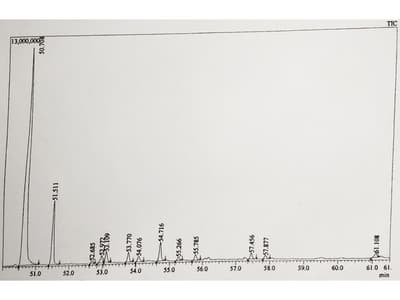
Comparative GC-MS Profiling of n-Hexane Extracts from the Heartwood and Small Branches of Pterocarpus santalinus Linn.f.
Background: Pterocarpus santalinus Linn.f. (Red Sandalwood) is an important medicinal plant known for its diverse bio active compounds. Evaluation of its phytoconstituents is essential for ensuring its therapeutic potential and quality. Chromatographic and mass spectrometric techniques are effective tools for profiling
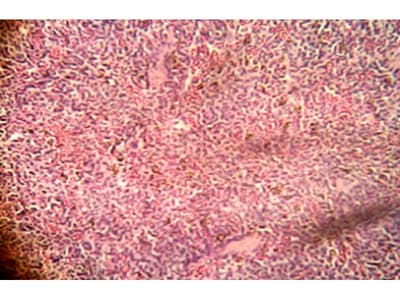
Acute Toxicity Study of Novel Ayurvedic Formulation Siddha Shalmali Kalpa (Classical Shalmali malabarica formulation) in Wistar Rat in vivo Experimental Study
Background: Traditional Ayurvedic Herbal remedies have long been used to improve and revitalize reproductive health. Siddha Shalmali Kalpa (Classical Shalmali malabarica formulation) is one such formulation that has long been praised for its aphrodisiac qualities. Its safety profile is still not well supported by scien
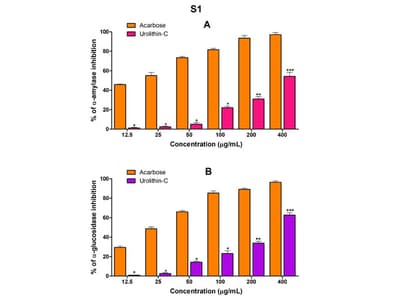
Chemically Synthesized Urolithin-C Regulates Glucose Uptake in HepG2 Cells
Background: In recent years, the prevalence of diabetes has increased dramatically worldwide. Although several drugs are available for its management, their severe cytotoxic effects have created a need for safer and more effective alternatives. Urolithins (A, B, C, D, M5, M6, and M7) have gained attention due to their
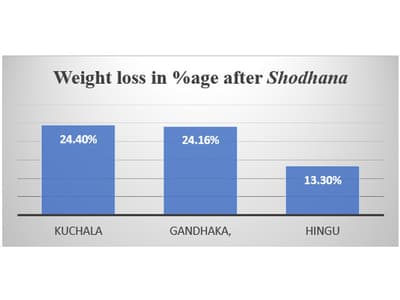
Comparative Pharmaceutical and Analytical Evaluation of Shoolaharana Yoga: Bhavita Formulation Versus Hydroalcoholic Extract
Background: Shoolaharana Yoga, described in Rasendra Sara Saṃgraha, is a classical Herbo-mineral formulation indicated for various types of pain. Ayurvedic pharmaceutical processes such as Shodhana (Purification) and Bhavana (Trituration) are traditionally employed to enhance safety, bioavailability, and therapeutic po
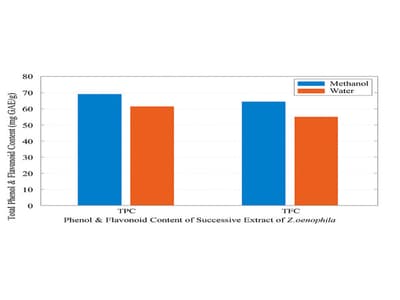
Phytochemical Profiling and Antioxidant Assessment of Methanolic Leaf Extract of Ziziphus oenoplia from Badangi Village, Odisha
Background: The traditional understanding of plant-based medicine has been passed down through the ages and has been assimilated by various ethnic groups as ethnopharmacological knowledge. The present study focuses on the specific phytochemical makeup, therapeutic applications, and pharmacological characteristics of th
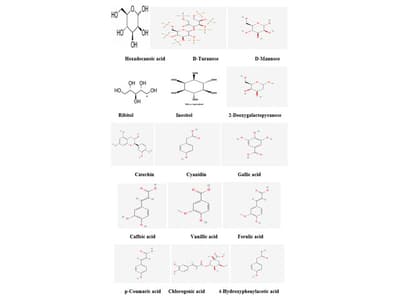
Phytochemical and Pharmacological Potential of Pithecellobium dulce: A Review
Pithecellobium dulce (Roxb.) Benth is a medicinal plant that is commonly used in traditional medicine and its phytochemical profile has shown to contain numerous bioactive compounds which are characterized by the presence of high concentration of flavonoids (42-57 mg QE/g), phenolics (30-75 mg GAE/g), tannins, alkaloid
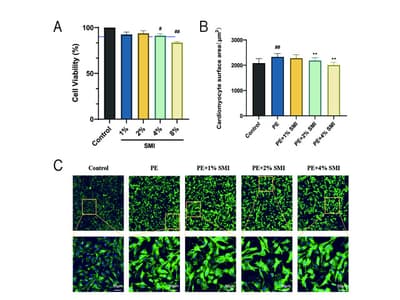
Shenmai Injection Attenuates Pressure Overload-Induced Cardiac Hypertrophy by Modulating HRAS
Background/Objectives: Pressure overload-induced cardiac hypertrophy is a critical pathological precursor in the development of heart failure. Shenmai Injection (SMI) is widely used to treat cardiovascular diseases. However, its anti-hypertrophic effects and underlying molecular mechanisms remain insufficiently elucida
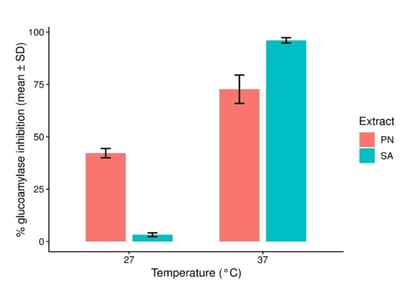
Metabolomics Insight into PN01 and SA02: Anticancer Efficacy and Antidiabetic Enzyme Inhibition
Background: Cancer is a major global health problem, with nearly 10 million deaths recorded in 2020. Approximately 30% of cancers in low- and lower-middle-income nations stem from infectious agents like Human Papillomavirus (HPV). Cervical Cancer (CC03) and HPV is now current issue all over the world especially Pakista
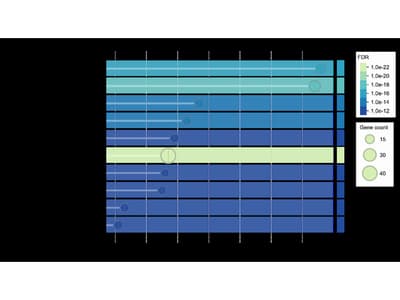
Elucidating the role of Shatapushpa (Anethum graveolens L.) in Rheumatoid Arthritis through In vitro and In silico Analysis
Introduction: Day by day the prevalence of the diseases are increasing throughout the globe. One such disease that is having increase in incidence is Rheumatoid Arthritis (RA). With the rise in the occurrence there is need of newer drugs with safety and efficacy. Shatapushpa (Anethum graveolens L.) in Ayurveda is used
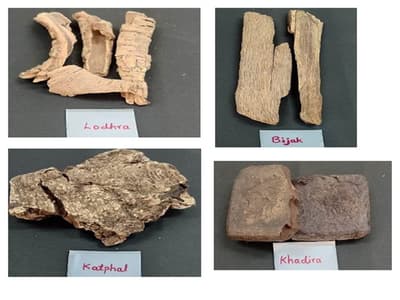
Phytochemical Profiling and Bioactivity Assessment of Traditional Medicinal Plants as Innovative Therapeutics for Wound Care Applications
Background: The worldwide healthcare system faces significant challenges due to prevalence of chronic wounds worsen by antimicrobial resistant bacteria and polymicrobial biofilm. Objectives: This research aims to unravel antibacterial and antibiofilm potential of bark of Lodhra, Katphal, Bijak and heartwood of Khadir,
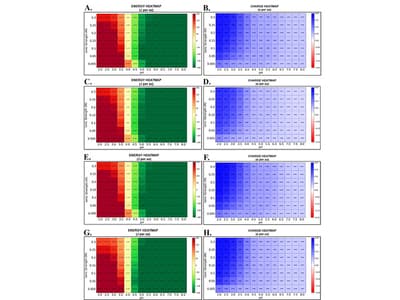
Comparative Structural and Biophysical Profiling of Dengue Virus NS5 Methyltransferase Identifies DENV-4 as a Prioritized Antiviral Target
Background: The NS5 Methyltransferase (MTase) domain is essential for the capping and replication of dengue virus RNA and for the virus's evasion of the host immune response, making it a promising antiviral target. Purpose: To assess the structural and biophysical characteristics of the NS5 MTase across the four Dengu
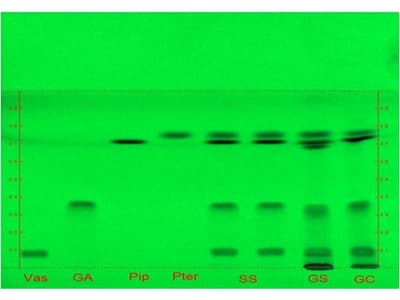
High Performance Thin Layer Chromatography (HPTLC) Methods for Simultaneous Estimation and Quantification of Vasicine, Gallic acid, Piperine and Pterostilbene from Two Ayurvedic Formulations and Herbal Extracts
Background: High Performance Thin Layer Chromatography (HPTLC) is an advanced analytical technique used for the identification and quantification of marker compounds in Ayurvedic formulations. Aims and Objectives: The purpose of this study is to create and validate an HPTLC method for the simultaneous estimation and q

Characterization and Chromatographic Evaluation of Shatapushpadi Lepa
Background: Shatapushpadi Lepa is a traditional external application specified in Ayurveda. The composition that is advised for Vata-dominant inflammatory joint diseases. To determine quality, and therapeutic effectiveness, such a conventional formulation must be scientifically validated. Purpose: The present study is